Herdshare Agreement Essentials: Protect Your Farm from Day One
A herdshare agreement is the document that makes your raw milk operation legal in most states that don't permit direct retail raw milk sales. It establishes that members own a fractional share of your animal, and that the milk they receive is the product of their own animal — not a purchase from you. But the agreement does more than establish legality: it sets expectations, prevents disputes, and protects both sides when something unexpected happens.
Ownership Structure
The agreement must clearly state that the member is purchasing an ownership stake in a specific animal (or a share of the herd) — not buying a product from you. Include the animal's name or ID number, the percentage or fractional share being purchased, and the purchase price for that share. This ownership language is the legal foundation of the arrangement.
Boarding Fee and What It Covers
Separate from the share purchase price, the agreement should define the monthly boarding fee — what you charge to house, feed, and care for the member's share of the animal. Be specific about what's included: feed, veterinary care, housing, milking. This section should also address how and when fees are due, and what happens if a member is late.
Milk Distribution Terms
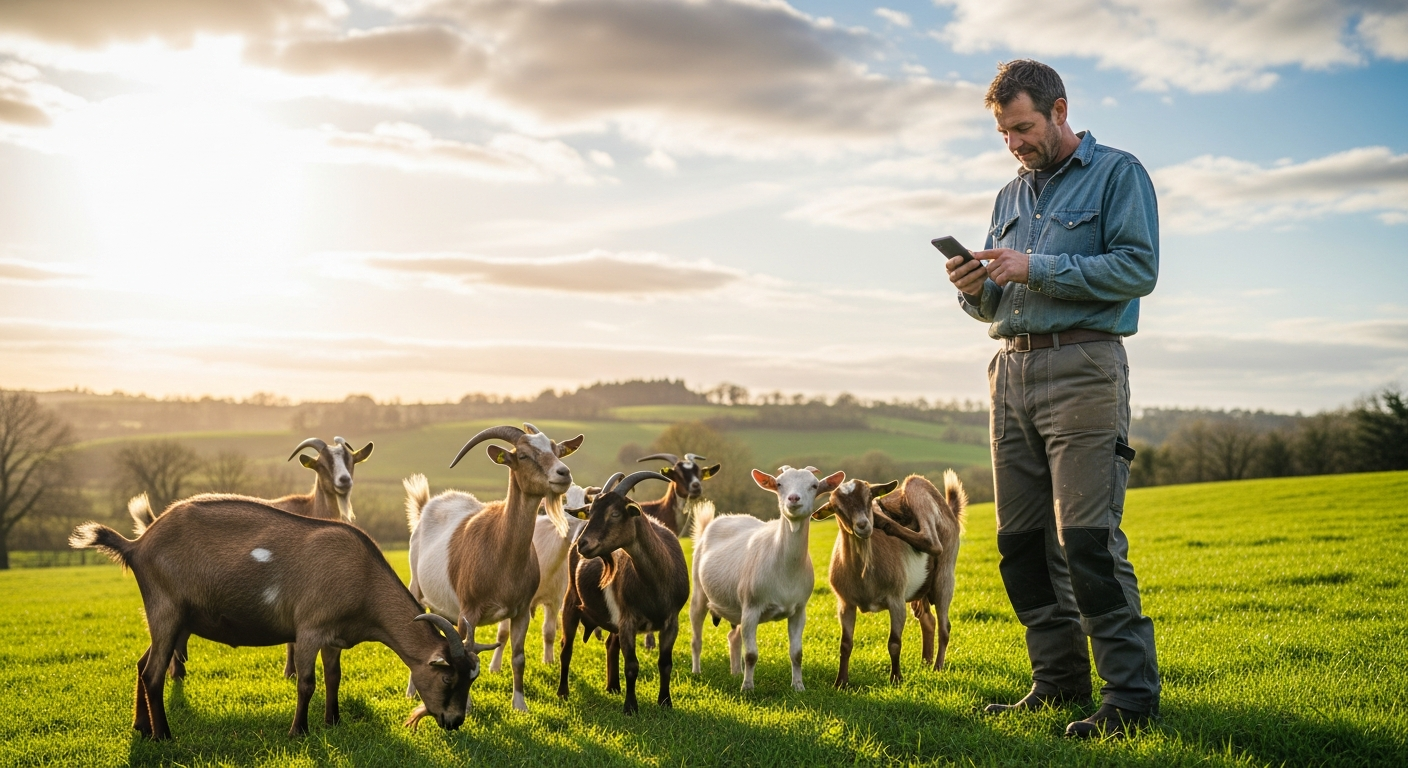
Specify how much milk the member receives per week, on which day and at what time, and what happens during periods of low production. Dairy animals have seasonal fluctuations, dry periods, and health events. A good agreement sets expectations in advance: "Production may vary; the member's share will be proportional to actual production." This prevents disputes when a goat's output drops in winter.
Liability and Risk Acknowledgment
The member should explicitly acknowledge that raw milk carries different risks than pasteurized dairy, that they have been informed of those risks, and that they accept them. This clause doesn't eliminate your liability in all circumstances, but it demonstrates that informed consent was given. Work with an attorney familiar with your state's agricultural laws to draft this language correctly.
Termination and Share Transfer
What happens when a member wants to leave? Can they sell their share to someone else, or does it revert to you? What notice period is required? What if you need to dissolve the arrangement — due to illness, sale of the farm, or the animal's death? These scenarios are uncomfortable to think about before they happen, but far easier to address in a calm, pre-agreement conversation than in the middle of a conflict.
The most common herdshare agreement problems stem from what was left out, not from what was included. Err on the side of specificity. A three-page agreement that clearly addresses likely scenarios is worth far more than a one-page document that sounds professional but leaves critical questions unanswered.
Try My Farm free for 30 days
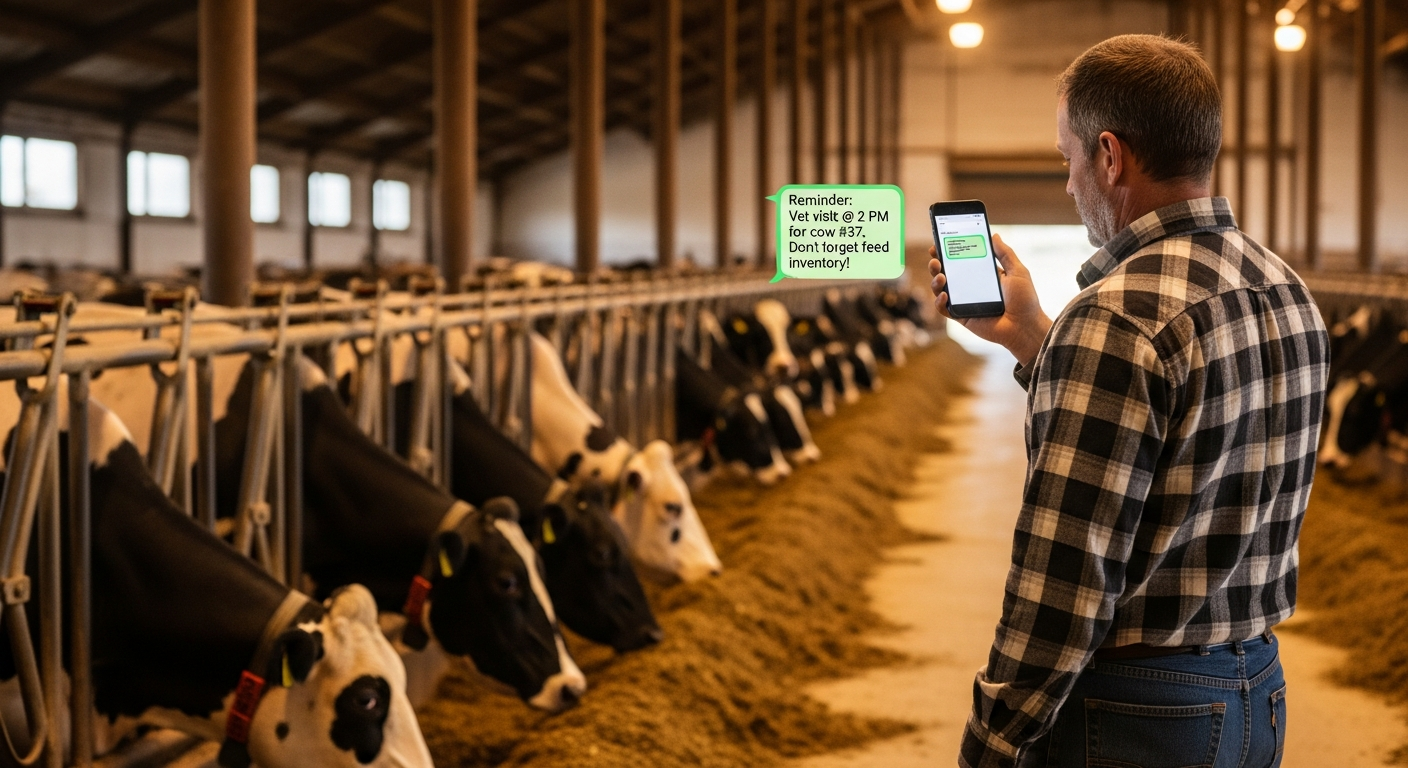
Track pickups, send SMS reminders from your farm number, and collect payments — built for direct-sale farms with 10–60 customers.
From $20/mo after trial · Cancel anytime